
Rethinking Growth in the Wedding Venue Business
Entrepreneurship, Wedding Industry, Business Strategy
The Obvious Next Step Was to Buy Another Wedding Venue. I Didn’t.
After a decade of building a successful wedding venue, growth seemed to mean “add another location.” Instead, I chose a different path, one focused on better businesses, meaningful careers, and clearer insights for founders.
Redefining What Growth Looks Like
From wedding venues to smarter businesses and better decisions
Ten Years in the Wedding Industry and a Different Kind of Question
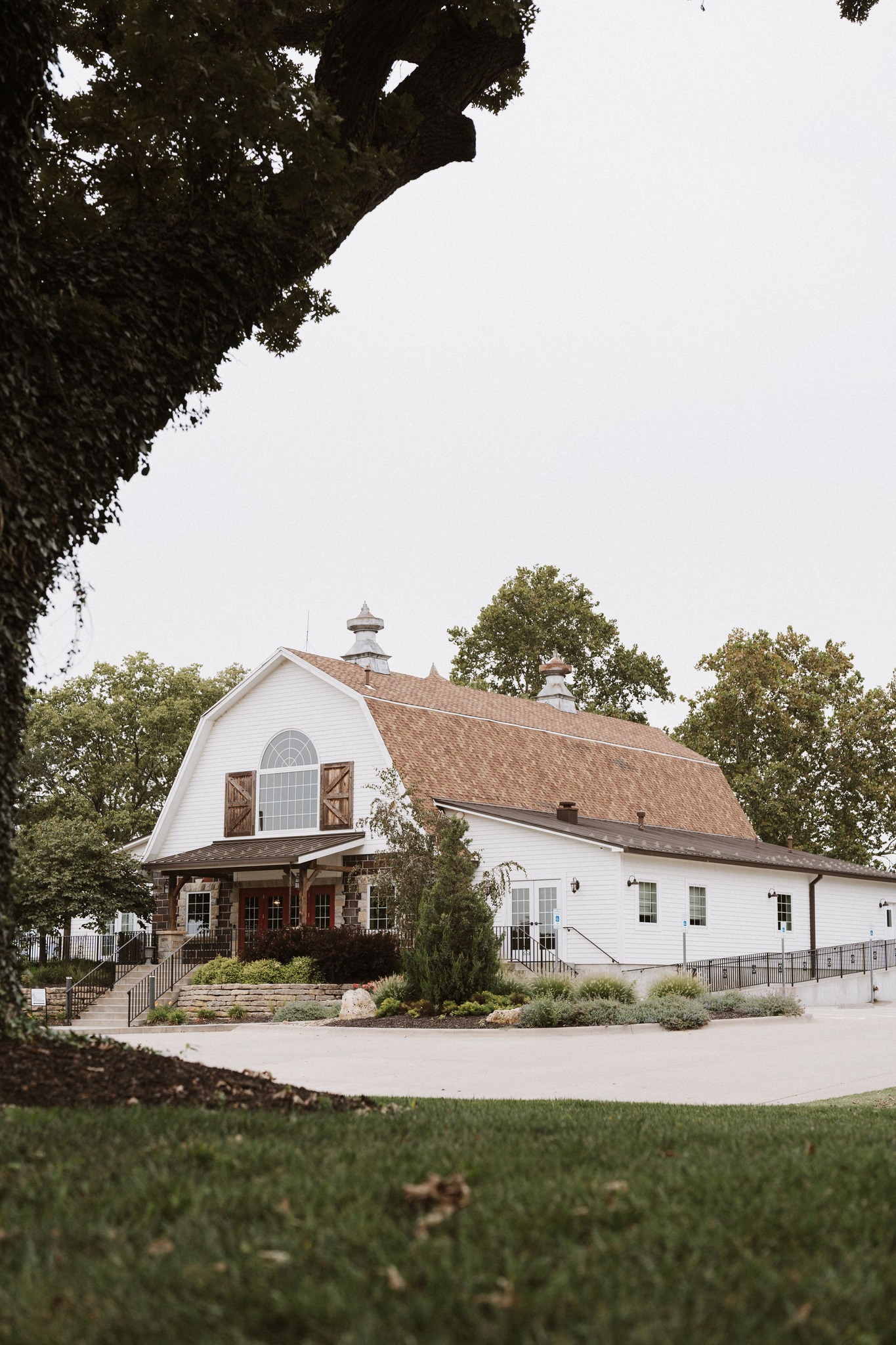
For the last decade, my world has revolved around the wedding industry. What began with a single venue, The Brownstone, grew into a thriving business, a loyal client base, and a team I’m deeply proud of. By most measures, the “next step” was obvious: buy another wedding venue. We knew the model, understood the seasonality, had strong vendor relationships, and had built systems that worked reliably weekend after weekend.
More venues would mean more weddings, more revenue, and a bigger business. That’s how business growth is usually pictured—more locations, more staff, more everything. But the longer I owned a venue, the more I started asking a harder question: Is “bigger” actually better?
The Staffing Problem No One Likes to Talk About
The wedding and hospitality world has a well known staffing problem. Turnover is high, often cited around 75%, and after years of late nights and weekend events, I understood why. Most of the work happens when everyone else is off: Friday nights, Saturday receptions, holiday weekends. Schedules rise and fall with bookings, and there simply isn’t enough predictable, year round work to turn every role into a full time position.
At The Brownstone, we could have 30 people on payroll, but the revenue only supported roughly three full time roles. That means dozens of people representing your brand, caring for your couples, and shaping the experience you sell, yet only a handful with the stability and security of a full time job. It’s a tough foundation for building a strong, long term culture, and even tougher if your goal is something more than just “fill the schedule.”
Bigger Business vs. Better Business
I kept running the same scenario in my head: what happens if we double? Another venue, twice the weddings, twice the staff. Maybe we’d go from 30 employees to 60, but perhaps only from three full time roles to four. On paper, that’s growth. In reality, it’s more scheduling, more management, more complexity, and not nearly enough additional stability for the people who make the business run.
One of my deepest motivations as an owner has always been creating meaningful careers, not just filling shifts. I want people on our team to see a future with us, to grow, earn more, learn new skills, and build a life they’re proud of. When I was honest with myself, I had to admit something uncomfortable: buying another venue wasn’t the clearest path to that vision. It might give us more events, but not necessarily more careers.

True growth comes from better roles, clearer data, and stronger decisions.
Falling in Love with Financials and Systems
As the years went by, I found myself increasingly drawn not just to the events themselves, but to the financials and systems that made the venue work. I loved asking questions like: How can we increase profit without adding more weddings? Which services truly move the needle? Where are we wasting time? I enjoyed building processes that allowed our team to operate smoothly without me approving every decision, and I became obsessed with making the business more efficient, not just bigger.
And I started to notice something: the challenges we were solving at The Brownstone weren’t unique to venues. Owners in every industry were asking the same questions: How do I grow revenue without expenses growing just as fast? How do I build a team that doesn’t rely on me for every answer? How do I know which marketing efforts are actually working? How do I make better decisions without spending hours digging through spreadsheets and platforms?
From One Venue to Many Founders: The Birth of Stone Strategies
Most founders don’t have a motivation problem. They’re working incredibly hard. What they’re missing is clear, usable business insights. Their numbers are scattered, revenue in accounting software, leads in a CRM, marketing stats in half a dozen platforms, projects tracked somewhere else entirely. They’re left trying to mentally connect the dots while also leading a team and serving customers.
That’s when it clicked: instead of buying another venue, I wanted to take everything we’d learned over ten years and help other founders build better, more resilient companies. That decision became Stone Strategies, a firm focused on turning scattered data, messy processes, and over reliant teams into businesses that can truly scale, with careers people are proud to stay in.
Introducing the CEO Scoreboard: Knowing the Score in Your Business
Out of that work came one of the tools I’m most excited about: the CEO Scoreboard. It’s a dashboard designed to bring the most important information about your business into one place, so you can stop hunting for numbers and start making decisions. Because having access to data and actually understanding your business are two very different things.
You might know you generated $100,000 in revenue last month. But do you know how many leads it took to get there? What percentage converted? How much you spent to acquire those customers? Whether your profit margins improved? Or if you’re actually on track to hit your annual goals? Those are the kinds of business insights that change how you lead, and they’re exactly what the CEO Scoreboard is built to surface at a glance.
Turning Insights into Action and Careers into Calling
The technology is only part of the story. The real power of the CEO Scoreboard is what happens next: using those numbers to build better systems, stronger teams, and more meaningful careers. That’s where our operations team steps in, helping owners translate data into improved processes, smarter automations, and roles that are more sustainable, strategic, and fulfilling for the people in them.
I often think about it like sports. You would never ask a team to play an entire game without a scoreboard. They could run hard, hustle, and give everything they have, but without knowing the score or how much time is left, they can’t adjust their strategy. Yet that’s how many businesses operate every day: everyone is working, but no one is quite sure whether they’re actually winning.
Redefining Growth: A Business Worth Celebrating
I still love the wedding industry, and I’m proud of what we’ve built at The Brownstone. I’m not walking away from it. But I’ve come to see that the biggest opportunity in front of me isn’t owning more venues, it’s helping more founders understand their numbers, refine their systems, and build companies where people can do their best work for the long haul.
In the end, I don’t believe the goal of entrepreneurship is simply to build the biggest business possible. The real win is building a business that’s worth celebrating, for you, for your team, and for the people you serve. For me, that meant saying no to the “obvious” next venue, and yes to a path that helps more owners know the score, grow with intention, and create careers that truly matter.
